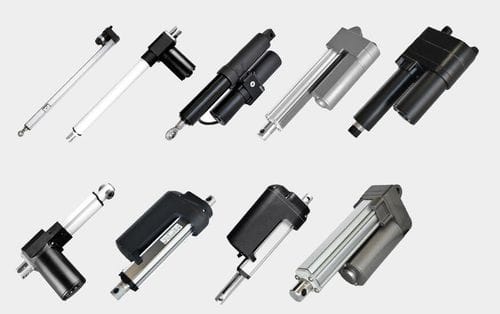
Electric, hydraulic, and pneumatic linear actuators are three distinct types of actuators, each utilizing different mechanisms to convert energy into linear motion. Here are the key differences between electric, hydraulic, and pneumatic linear actuators:
1. Power Source:
Electric Linear Actuator:
Power Source: Electric linear actuators are powered by electricity, usually from an electric motor.
Energy Conversion: The electric motor converts electrical energy into mechanical motion.
Hydraulic Linear Actuator:
Power Source: Hydraulic linear actuators are powered by hydraulic fluid, typically pressurized oil or another hydraulic fluid.
Energy Conversion: The hydraulic pump pressurizes the fluid, and this pressurized fluid is used to move the actuator.
Pneumatic Linear Actuator:
Power Source: Pneumatic linear actuators are powered by compressed air.
Energy Conversion: Compressed air is used to generate force, causing linear motion in the actuator.
2. Force and Load Capacity:
Electric Linear Actuator:
Force: Electric actuators can provide high force and precise control.
Load Capacity: They are suitable for a wide range of load capacities.
Hydraulic Linear Actuator:
Force: Hydraulic actuators are known for providing high force.
Load Capacity: They are well-suited for heavy-duty applications with high load capacities.
Pneumatic Linear Actuator:
Force: Pneumatic actuators generally provide lower force compared to hydraulic or electric actuators.
Load Capacity: They are suitable for lighter to moderate load applications.
3. Speed and Control:
Electric Linear Actuator:
Speed: Electric actuators can offer variable speeds and precise control over the motion.
Control: They provide good control over the position and speed of the actuator.
Hydraulic Linear Actuator:
Speed: Hydraulic actuators can achieve high speeds, especially under low-load conditions.
Control: Control over speed and position is generally good but may not be as precise as electric actuators.
Pneumatic Linear Actuator:
Speed: Pneumatic actuators can operate at relatively high speeds.
Control: Control over speed and position is generally less precise compared to electric actuators.
4. Maintenance and Environmental Considerations:
Electric Linear Actuator:
Maintenance: Generally lower maintenance compared to hydraulic systems.
Environment: Clean and suitable for indoor applications.
Hydraulic Linear Actuator:
Maintenance: Hydraulic systems may require more maintenance, including fluid checks and occasional replacements.
Environment: Hydraulic systems are more susceptible to environmental factors, and leaks can be a concern.
Pneumatic Linear Actuator:
Maintenance: Generally lower maintenance compared to hydraulic systems.
Environment: Clean and suitable for indoor applications.
5. Application Areas:
Electric Linear Actuator:
Commonly used in industrial automation, robotics, healthcare equipment, and various precision applications.
Hydraulic Linear Actuator:
Commonly used in heavy machinery, construction equipment, and applications requiring high force.
Pneumatic Linear Actuator:
Commonly used in lighter-duty applications, such as manufacturing and assembly processes.
The choice between electric, hydraulic, and pneumatic linear actuators depends on the specific requirements of the application, including the desired force, speed, control, and environmental conditions. Each type has its advantages and is suited for different industrial and mechanical applications.
🙌 At Wuxi Fergus, we support customized linear actuators.
👉Feel free to connect or message us to plan ahead.
WhatsApp:+86 18762658863