Movement by electric actuator technology
Wuxi FERGUS develops electric linear actuator solutions for smooth movement in a variety of applications across many business areas.
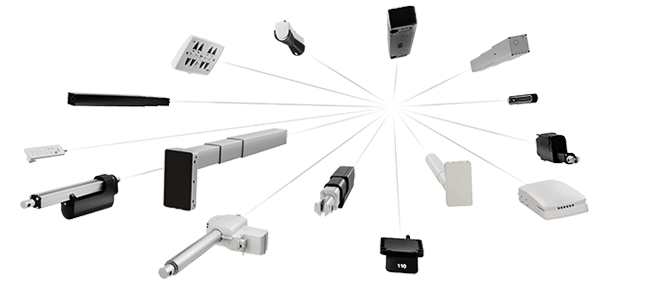
Quality Fast Linear Actuator & High Force Linear Actuators factory
In the Wuxi Fergus Intelligent Technology online catalogue you will find powerful linear actuators for all kinds of industrial applications. Choose the voltage that meets your needs: 12 V linear actuator, 24 V linear actuator, 48 V linear actuator, 115 V linear actuator, 120 V linear actuator, 220 V linear actuator or 230 V linear actuator: see the datasheet or contact us for any additional information.
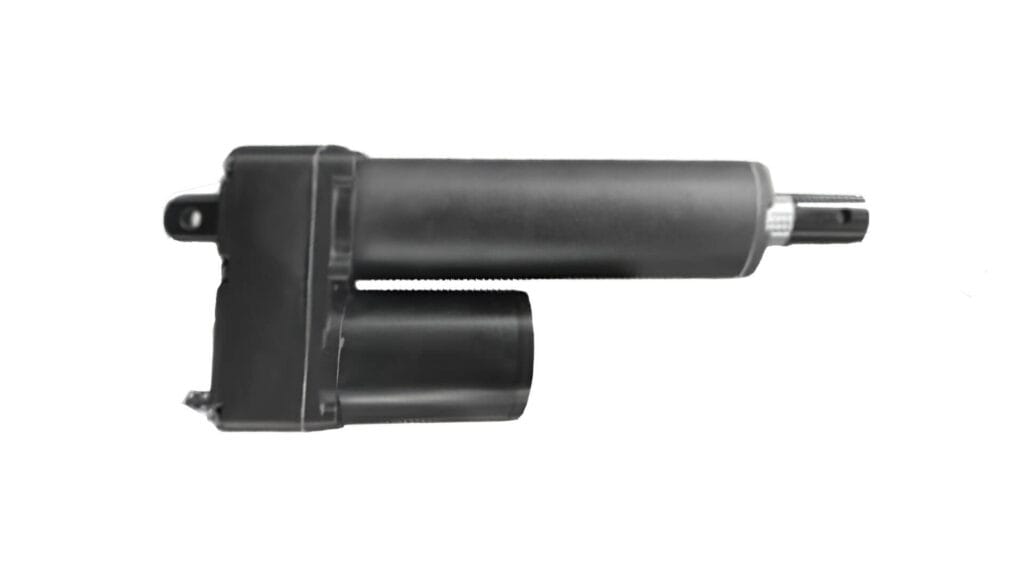
MAX LOAD 1000N
- Max load up to 8 kN
- Max speed up to 13 mm/s
- Voltage: 12 or 24 V DC, 120 or 230 V AC
- Silent operation
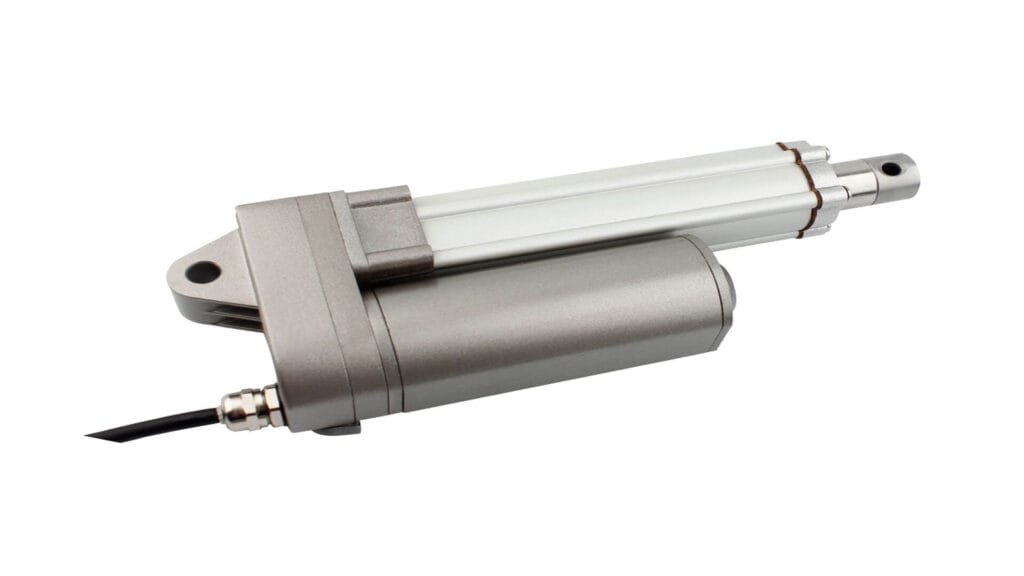
MAX LOAD 1200N
- Max load up to 8 kN
- Max speed up to 13 mm/s
- Voltage: 12 or 24 V DC, 120 or 230 V AC
- Silent operation
MAX LOAD 2000N
- Max load up to 8 kN
- Max speed up to 13 mm/s
- Voltage: 12 or 24 V DC, 120 or 230 V AC
- Silent operation
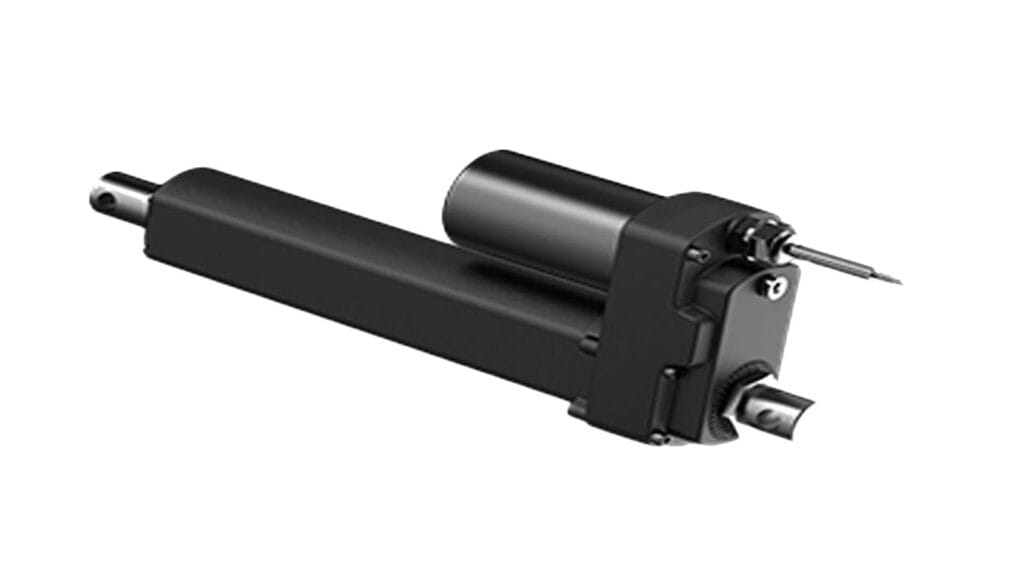
MAX LOAD 8000N
- Max load up to 8 kN
- Max speed up to 13 mm/s
- Voltage: 12 or 24 V DC, 120 or 230 V AC
- Silent operation
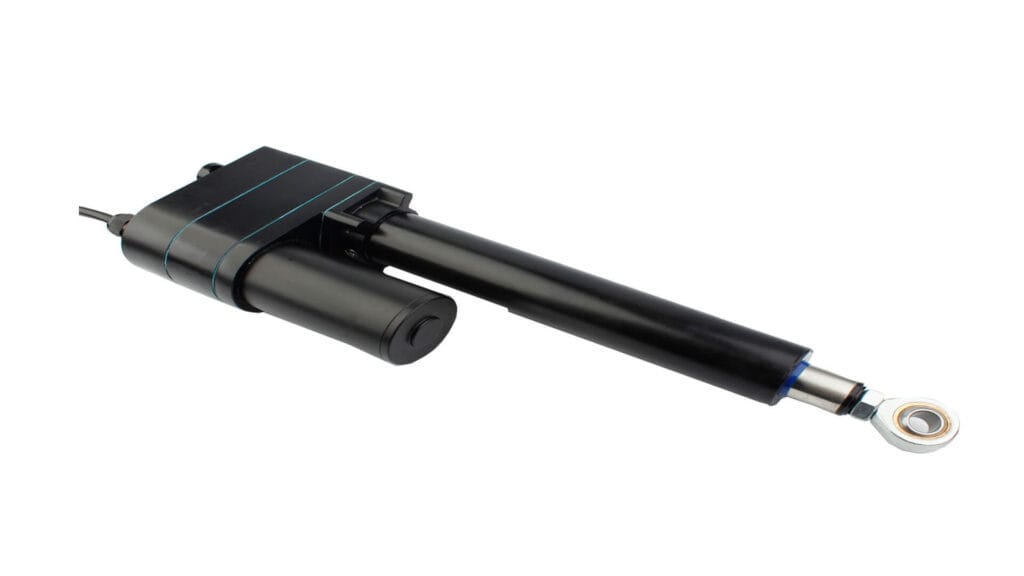
MAX LOAD 8000N
- Max load up to 8 kN
- Max speed up to 13 mm/s
- Voltage: 12 or 24 V DC, 120 or 230 V AC
- Silent operation
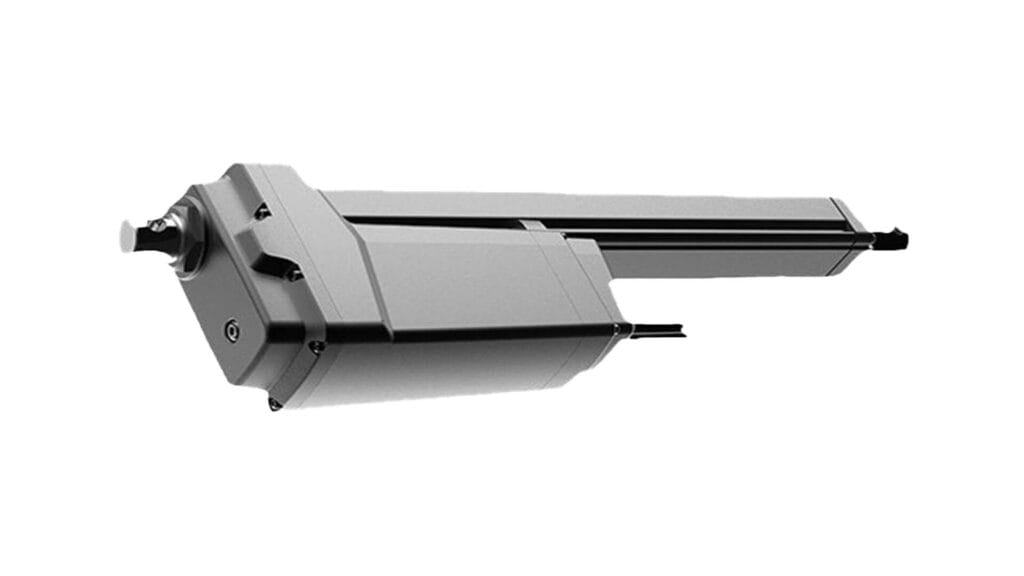
MAX LOAD 15000N
- Max load up to 8 kN
- Max speed up to 13 mm/s
- Voltage: 12 or 24 V DC, 120 or 230 V AC
- Silent operation
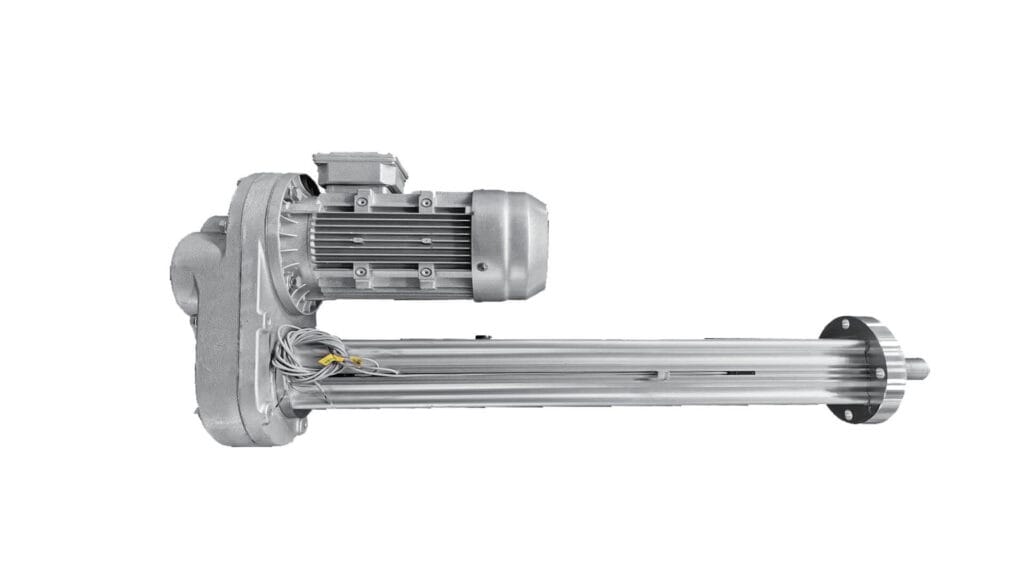
MAX LOAD AC 42KN
- Max load up to 8 kN
- Max speed up to 13 mm/s
- Voltage: 12 or 24 V DC, 120 or 230 V AC
- Silent operation
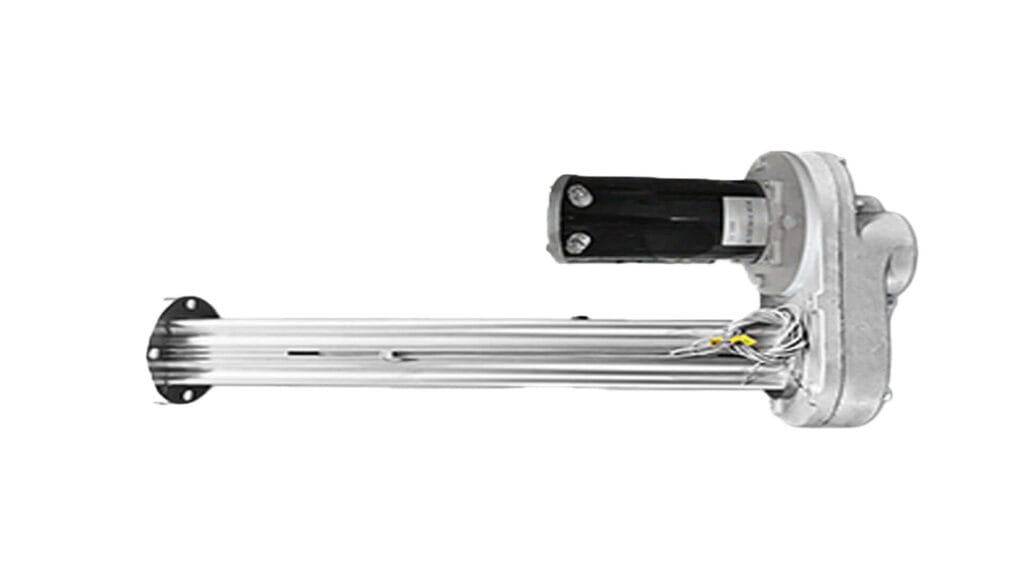
MAX LOAD DC 42KN
- Max load up to 8 kN
- Max speed up to 13 mm/s
- Voltage: 12 or 24 V DC, 120 or 230 V AC
- Silent operation


Frequently asked questions
What are linear actuators?
Linear actuators are motorized devices that convert rotational motion into linear motion to move an object in a linear direction. This mechanism uses an electric motor to generate the force needed to move the piston forward and backward along a linear path. Used in a variety of industrial applications, linear actuators have a guiding system that provides precise and smooth movement, and they can be controlled through an automation system. The use of linear actuators has several advantages: their compact configuration saves space and simplifies installation, while delivering high precision, smooth motion, and low noise. For these reasons, they are often used in applications that require precise and repetitive movements, such as industrial robots, semiconductor manufacturing machinery, and assembly machinery.
How do you choose the right linear actuator?
When selecting a linear actuator, several factors need to be considered to ensure the right one is chosen. First and foremost, the application needs to be taken into account; factors such as load capacity, speed, stroke length, and power source are essential and should be matched to the specific application requirements. The environment is also important, as harsh conditions may require a more robust and durable actuator. By considering these factors, the right linear actuator can be chosen, ensuring optimal performance and longevity for the specific application.
What are the differences between linear actuator types?
There are several types of linear actuators available in the market, and each type has its unique features and benefits. Electric linear actuators use an electric motor to drive a lead screw, acme screw or ball screw to move the shaft in a linear motion. The speed and accuracy of the movement are highly controllable with this type of actuator. In addition, linear actuators can differ in size and load capacity. They can range from smaller, more compact devices that can handle lighter loads to larger, high strength and speed devices. The choice of linear actuator depends on the specific application’s requirements, such as speed, precision, power, and durability. By understanding the different types of linear actuators, you can choose the suitable one for your application.
Need more information?
Ask our experts